
Low 3-Inch Landscape Edging
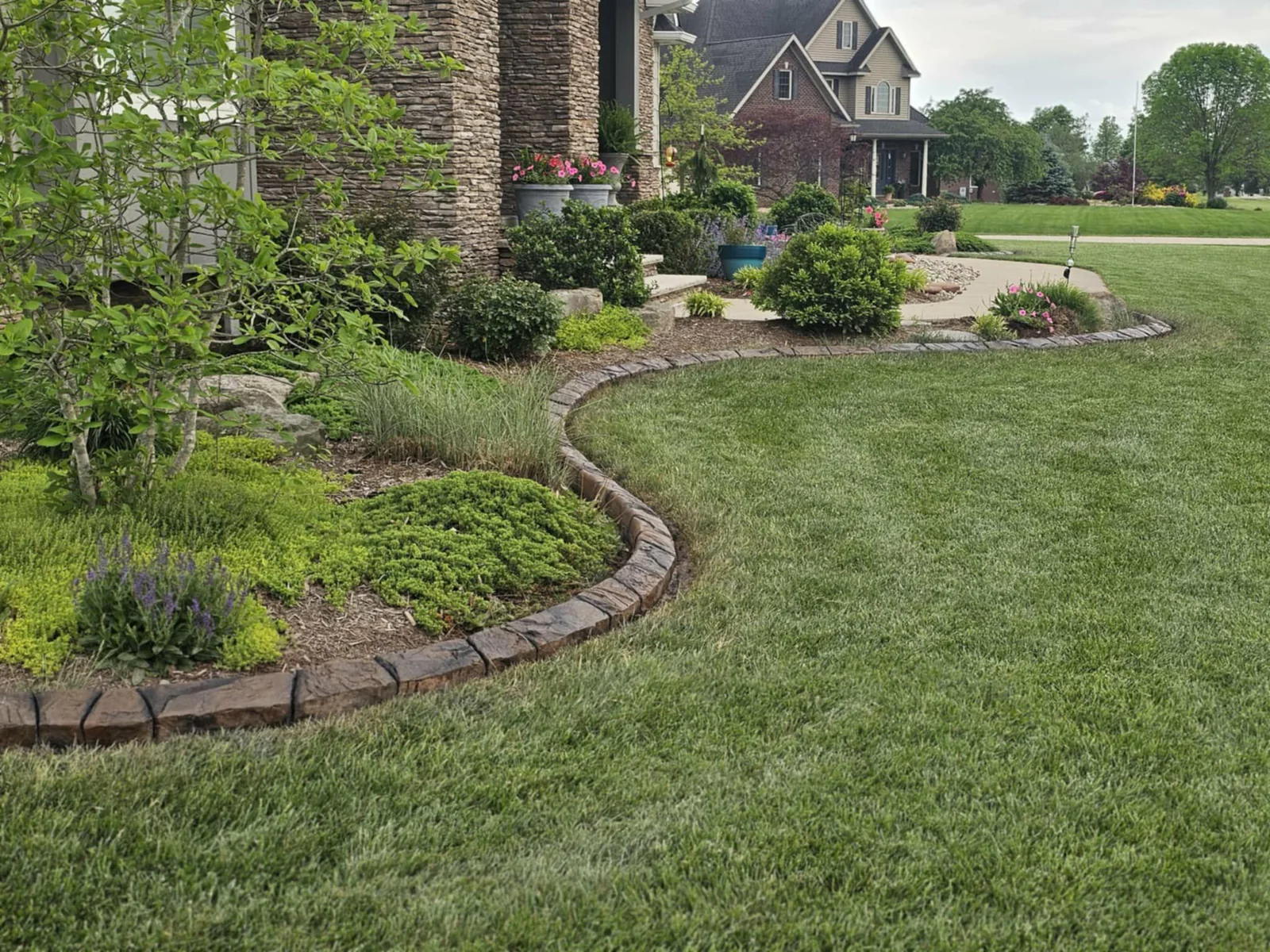
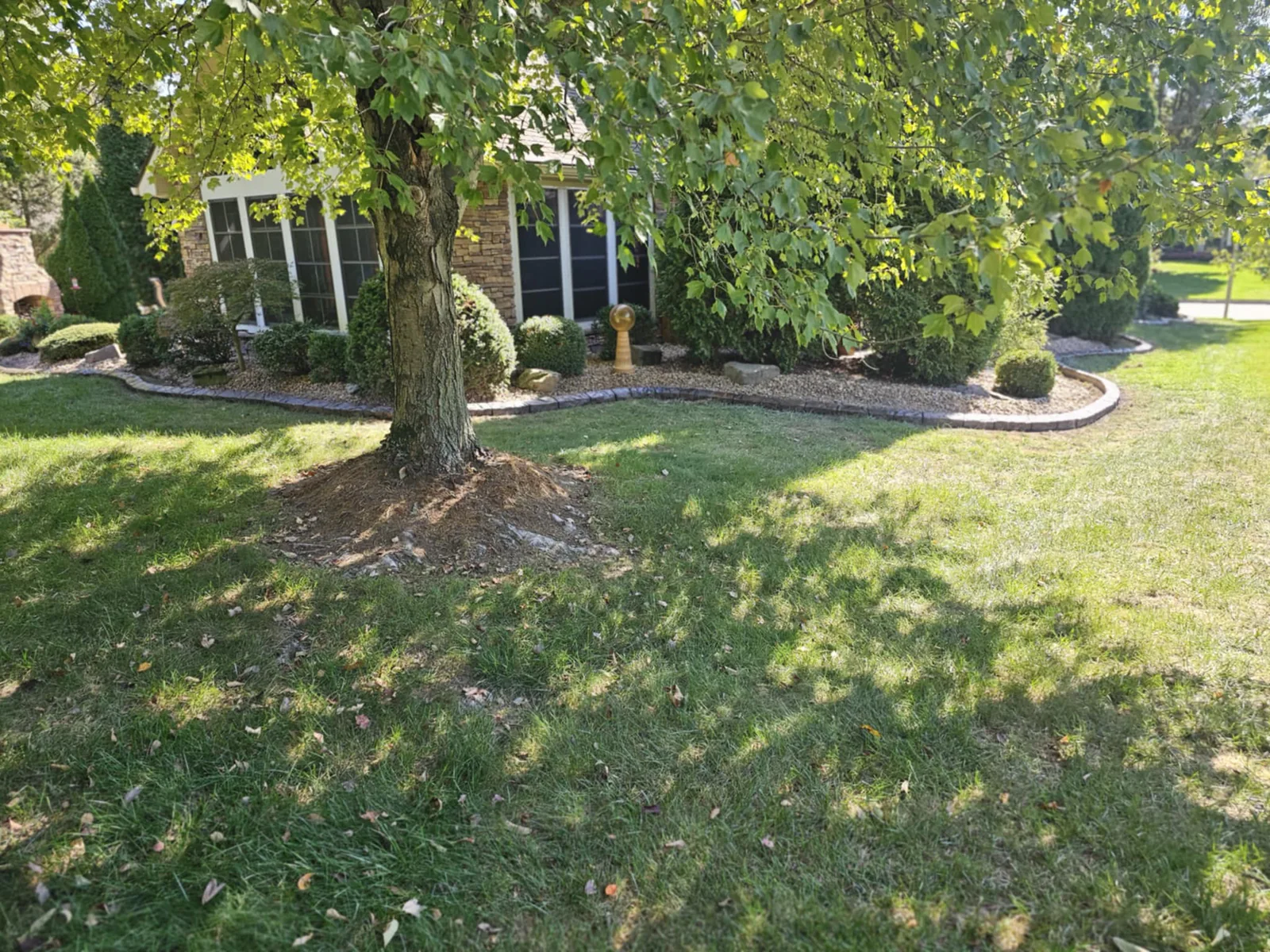
The 3-inch low mould keeps the border closer to the ground while still creating a defined line between turf and bed.
- 3-inch low mould
Landscape Edging
Grass crossing into mulch, mulch spilling into lawn, and soft borders that disappear after a season all create the same problem: the landscape loses its shape. Stryker Outdoor Solutions installs continuous concrete landscape edging for a cleaner boundary and lower-maintenance yard care.
The Border System
Landscape edging creates a physical line between lawn, mulch, soil, planting beds, and nearby hardscape. Stryker's version uses continuous concrete curbing rather than a loose row of separate pieces, so the edge is planned as one connected border around the property's landscape.
The project can use a 3-inch low mould or a 5-inch HD mould. The low mould suits a quieter edge; the HD mould is suggested for premium and natural-stone detail. Stainless-steel cable runs through the curb to help resist heaving and shifting.
Border Choices
The right edging choice depends on how visible the border should be, how much detail the landscape calls for, and whether the project needs to match a future phase.
Available choices
The 3-inch low mould keeps the border closer to the ground while still creating a defined line between turf and bed.
The 5-inch HD mould is suggested for premium and natural-stone detail where a taller profile helps the finish read clearly.
Natural-Looking Color
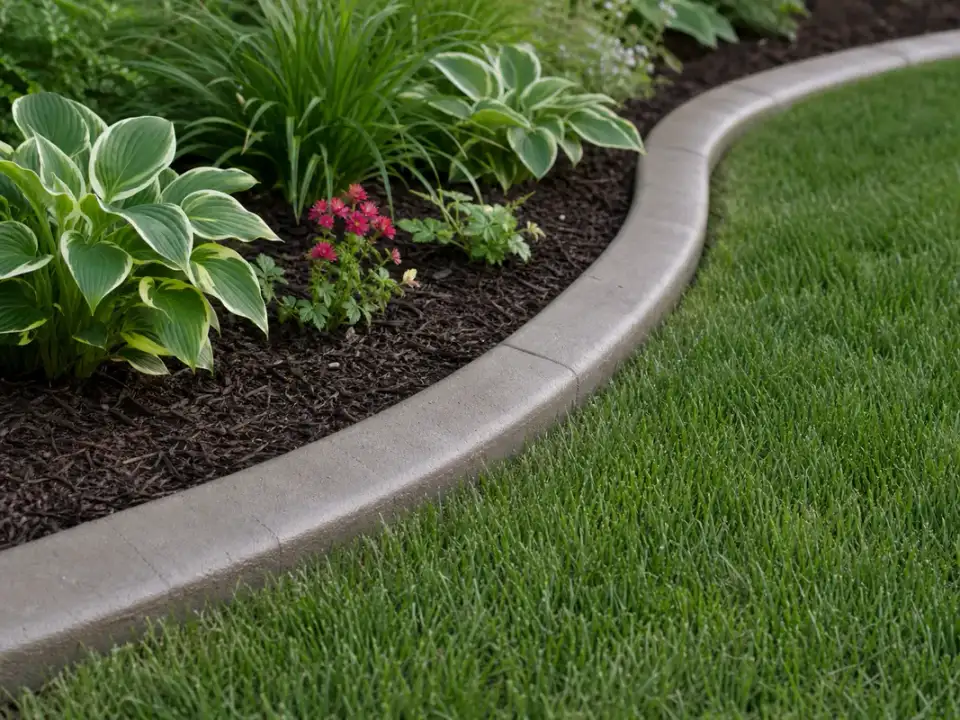
Landscape edging should support the planting, mulch, home exterior, and hardscape instead of looking like a separate strip dropped into the yard. Stryker uses color variation to give the curb a more natural look.
The first choice is the general color direction for the border. Review current color samples and combinations during the estimate to find the best fit for the property.
Variation helps the edge avoid a flat, uniform appearance. Stryker documents the use of different techniques and color combinations to create a realistic natural look, but the precise chemistry and application sequence should not be assumed.
Premium / natural-stone and farmhouse brick categories create different visual directions for the same functional job: defining the landscape edge.
Where It Works
Concrete landscape edging is useful wherever a property needs the lawn, bed, and border to meet on purpose.
Common uses
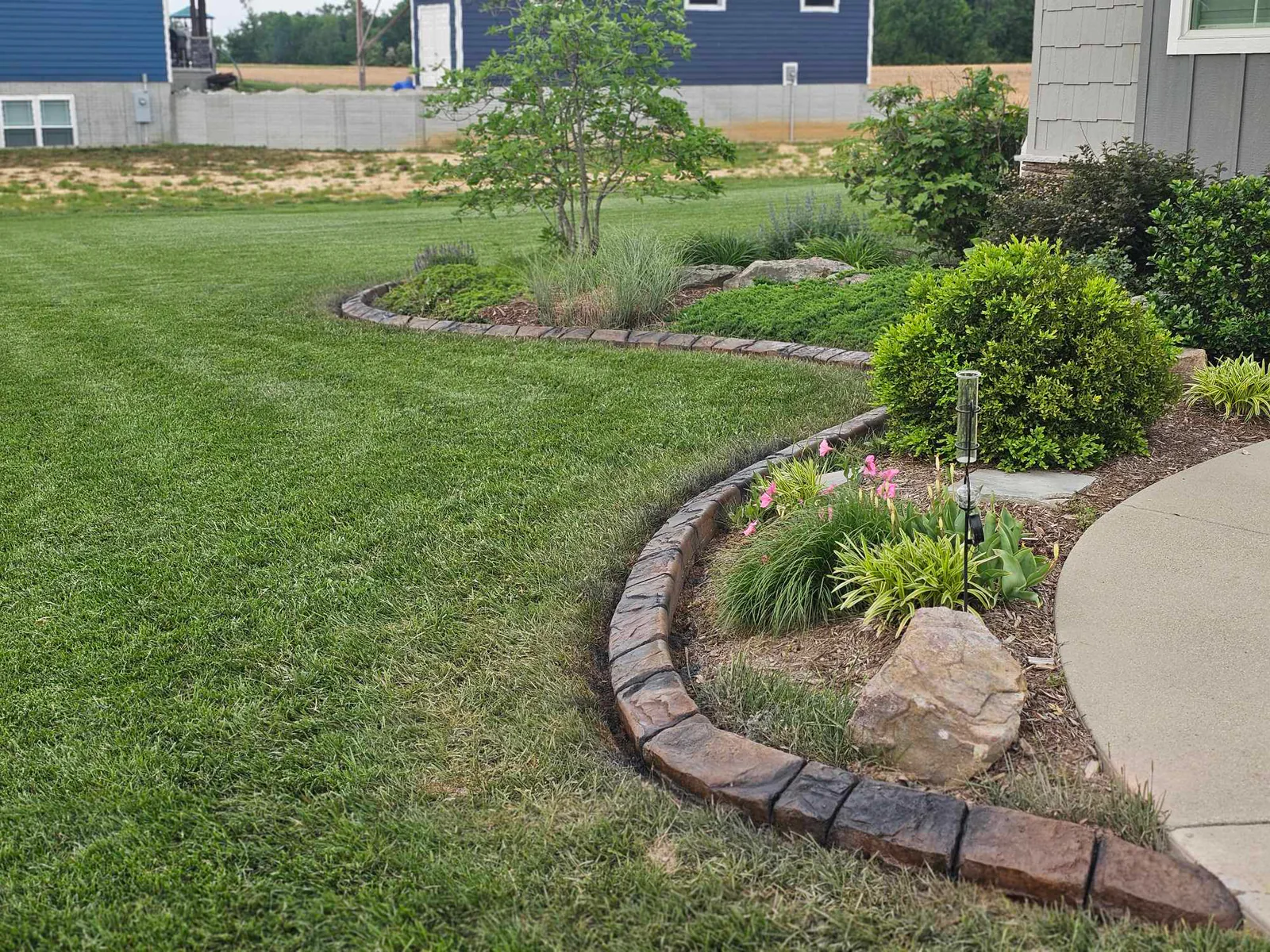
A continuous edge keeps the bed's outline visible and gives mulch or soil a firm stopping point. Curves can be shaped to follow an existing bed rather than forcing the landscape into a rigid rectangle.
Popular options: 3-inch low mould; color variation
Learn more: Concrete CurbingThe boundary between grass and mulch is one of the places where flexible edging can become difficult to maintain. Concrete edging creates a line that is easier to see while mowing and trimming.
Popular options: Low mould; straight or gently curved layout
Learn more: Concrete CurbingLandscape features with repeated curves need an edge that can follow their shape. Stryker can review the layout, access, and length before confirming whether the selected profile fits the project.
Popular options: Exact curve layout; confirmed profile from catalog
Learn more: Custom Concrete CurbingCompare your options
Concrete edging is the more permanent, design-led option of the three. It asks for a larger upfront investment and scheduled resealing, but it creates a continuous border instead of a loose or flexible edge.
The simple routine
Protect the finished work, keep the surrounding area clear, and address changes early.
Keep the Edge Looking Right
The basic routine is limited: keep the edge visible, avoid burying it with landscape material, and plan for resealing every 2–3 years.
Stryker recommends resealing concrete curbing every two to three years. Follow the preparation and product instructions provided for the installed finish.
Landscape material should not be piled over the curb. Keeping the profile visible makes the border easier to maintain and helps homeowners notice any change in position or finish.
If a homeowner adds beds later, Stryker can retain the project's color combinations for phased additions. This makes it easier to extend the landscape plan without inventing a new color direction.
New grading, heavy equipment, drainage work, or bed changes can affect an edge. If the curb shifts or a connection needs attention, contact Stryker for a site-specific review.
The Border-Building Difference
Landscape edging looks simple from a distance. The difficult part is making the line follow the yard, connect cleanly, and stay visually consistent through the whole project.
Stryker Outdoor Solutions is centered on concrete curbing, decorative borders, and landscape edging rather than treating the border as an incidental add-on. The company has 10+ years in the trade.
Stainless-steel cable runs through the curb to help resist heaving and shifting. That construction detail supports the purpose of the edge: holding a clean line between landscape areas.
Homeowners can compare a 3-inch low mould with the 5-inch HD mould. The HD option is suggested for premium and natural-stone detail, while the low mould provides a lower-profile alternative.
Installations are available April through December. If the landscape plan is larger than the first phase, retained color combinations can make future additions easier to coordinate.
Common Questions
Concrete edging creates a continuous border with a defined profile, while plastic edging is flexible and may lift, bend, or become less visible as the landscape changes. Concrete is not maintenance-free: Stryker recommends resealing every two to three years, and the site still needs to be evaluated for drainage and movement.
The low mould is 3 inches tall, and the HD mould is 5 inches tall. The HD mould is suggested for premium and natural-stone detail. The final profile is chosen after reviewing the bed shape, desired visibility, and current style options.
Yes, the service is planned around curved and straight landscape layouts. The estimate should account for the number of corners, the total length, access, and the relationship between the new edge and existing beds or hardscape.
A project may take a few hours or one full day, depending on the length of the curb. A longer run, more corners, or difficult access can change the schedule, so the site-specific estimate is the reliable place to confirm timing.
Yes. Stryker can retain the color combinations used for the project, which supports phased additions. An extension to an existing curb is made by cutting at a control joint, drilling the old curb, and using fiberglass rebar to connect old and new sections.
The installation season is April through December. Scheduling depends on the project, weather, access, and the company's availability.
Send Stryker the property details and the border problem you want solved. The estimate conversation covers the layout, mould height, current style categories, color direction, and whether a phased plan makes sense.
Use the contact form to start a direct conversation about the property and the edge you want to build.
10+ years in the trade
Veteran-owned business