
Start With How the Border Needs to Behave Over Time
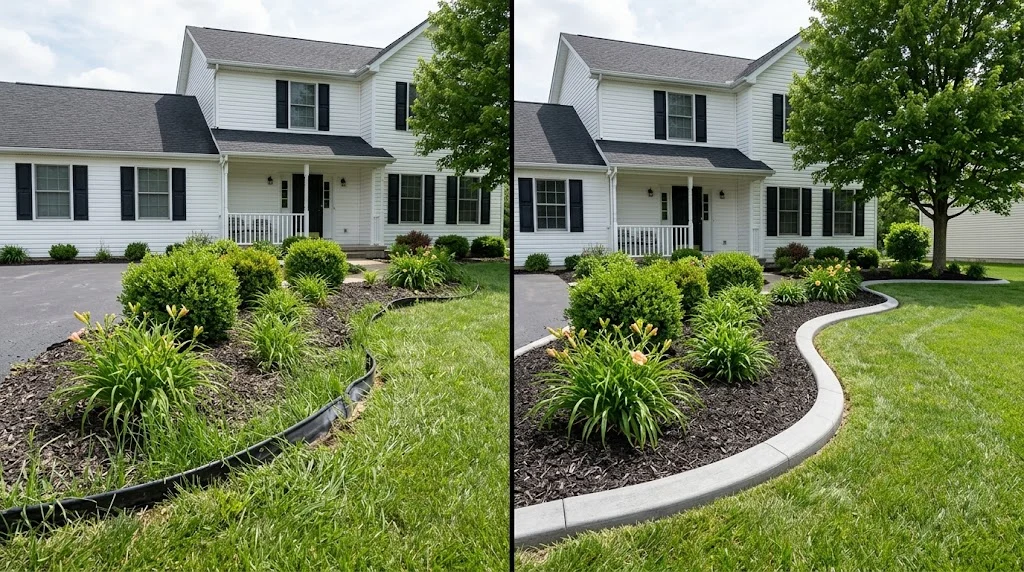
Looks matter, but the decision comes down to permanence, the finish you want, how much periodic upkeep you're willing to do, and whether your bed layout might change down the road. Plastic edging tends to be the more affordable, flexible option, which makes sense if you're still shaping your landscape design or want an easy, budget-friendly start. Concrete curbing is the continuous, more permanent option, built for beds that are staying put. If you already know your layout and want it to look intentional for years, concrete curbing is the better fit.
Why Southern Indiana Ground Conditions Matter Here
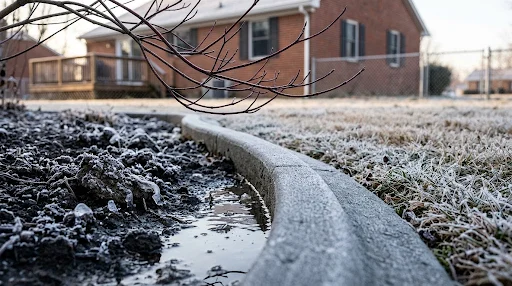
Our freeze-thaw cycles affect soil moisture and surface stability more than people expect. A border that looks great in July can shift after a wet, freezing winter, so shallow landscape borders need to be evaluated for ground movement and drainage along with appearance. We run stainless-steel cable through our curbing to help it resist heaving and shifting, and we take the time to get curb placement and finish right the first time for each bed.
What Stryker Outdoor Solutions Offers for Concrete Curbing
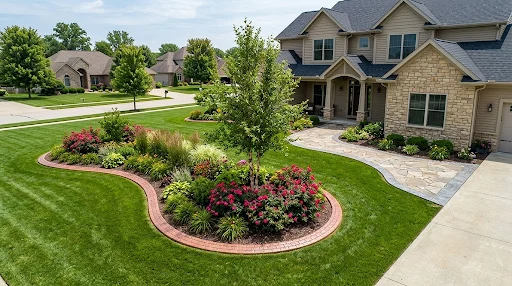
We offer several concrete curbing styles and services depending on what your property needs:
- Basic Concrete Curbing
- Natural Stone Concrete Curbing
- Farmhouse Brick Concrete Curbing
- Stamped Concrete Curbing
- Colored Concrete Curbing
- Custom Concrete Curbing
- Commercial Concrete Curbing
- Curb Resealing
We're meticulous about the details and design on our curbs. We take the time to make each one look as realistic as possible, using different techniques and a variety of color variations to give every border a natural look. If you want a specific finish, our colored concrete curb finishes page covers those options in more detail.
Neither Option Is Maintenance-Free
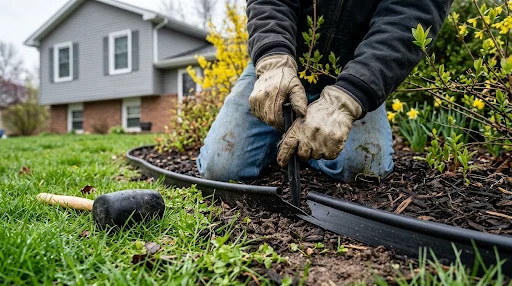
Plastic edging commonly needs re-staking, realignment, and eventual replacement as UV exposure and equipment contact wear it down. Concrete curbing holds up differently, but it still needs occasional condition and finish upkeep. For decorative concrete curbs, we review resealing every two to three years and inspect the surface first, which helps protect the color and finish. If you're weighing long-term care for a concrete border, our resealing decorative concrete curbs page explains what that process covers.
Questions Worth Asking Before You Choose
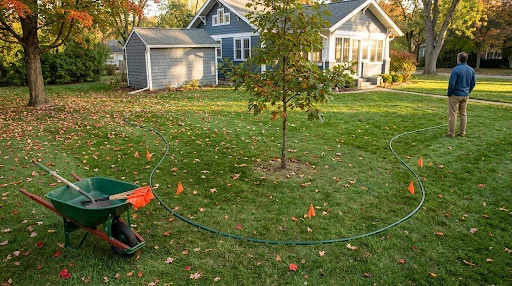
Whichever direction you lean, a few questions help you compare options apples to apples:
- Is the bed layout final, or might it change in the next few years?
- Do you want a specific color or textured finish, or a basic clean edge?
- How much periodic upkeep are you comfortable with?
- Does the site have drainage or grading that could affect a shallow border?
Your answers point you toward the option that fits your property.
Frequently Asked Questions
How does freeze-thaw weather affect landscape-bed edging in Southern Indiana?
Freeze-thaw weather affects landscape-bed edging in Southern Indiana by changing soil moisture and shifting shallow borders. Edging should be evaluated for ground movement and drainage along with how it looks when installed.
What should I ask about curb reinforcement, profile, and finish before choosing concrete curbing?
Before choosing concrete curbing, ask how the curb will be reinforced, which profiles are available, and which finishes fit your beds. Stryker Outdoor Solutions runs stainless-steel cable through its curbing, offers a 3-inch low mold and a 5-inch HD mold, and installs basic, natural stone, farmhouse brick, stamped, and colored styles.
Ready to Talk Through Concrete Curbing for Your Beds?
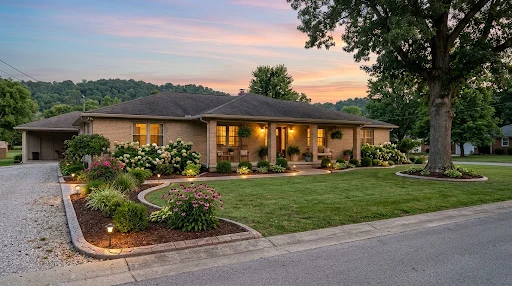
We install concrete curbing throughout Washington, Indiana and Southern Indiana, and we're happy to walk your property and talk through finish and design options with you. Call (812) 240-2605 to get started.