
A maintenance review before application
The curb is inspected for surface wear, loose material, staining, cracking, or other conditions that may affect the result. Any required preparation should be explained before work is scheduled.
Concrete Curb Resealing
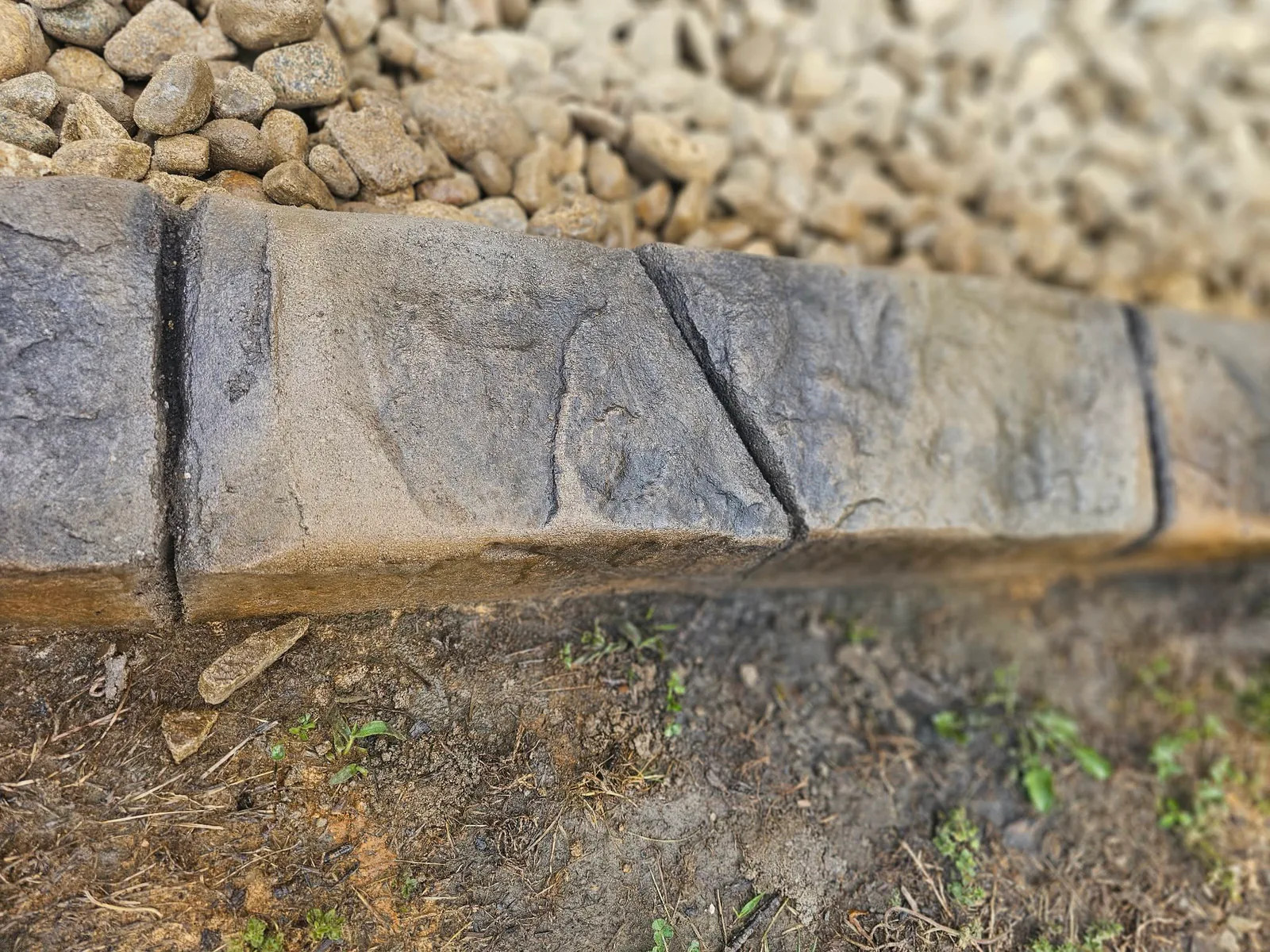
Sun, rain, lawn chemicals, and winter weather gradually wear on decorative concrete curbing. Resealing can help refresh the surface and protect the finished look. SOS has more than 10 years in the concrete curbing trade and serves properties from its Washington, Indiana base.
The Process
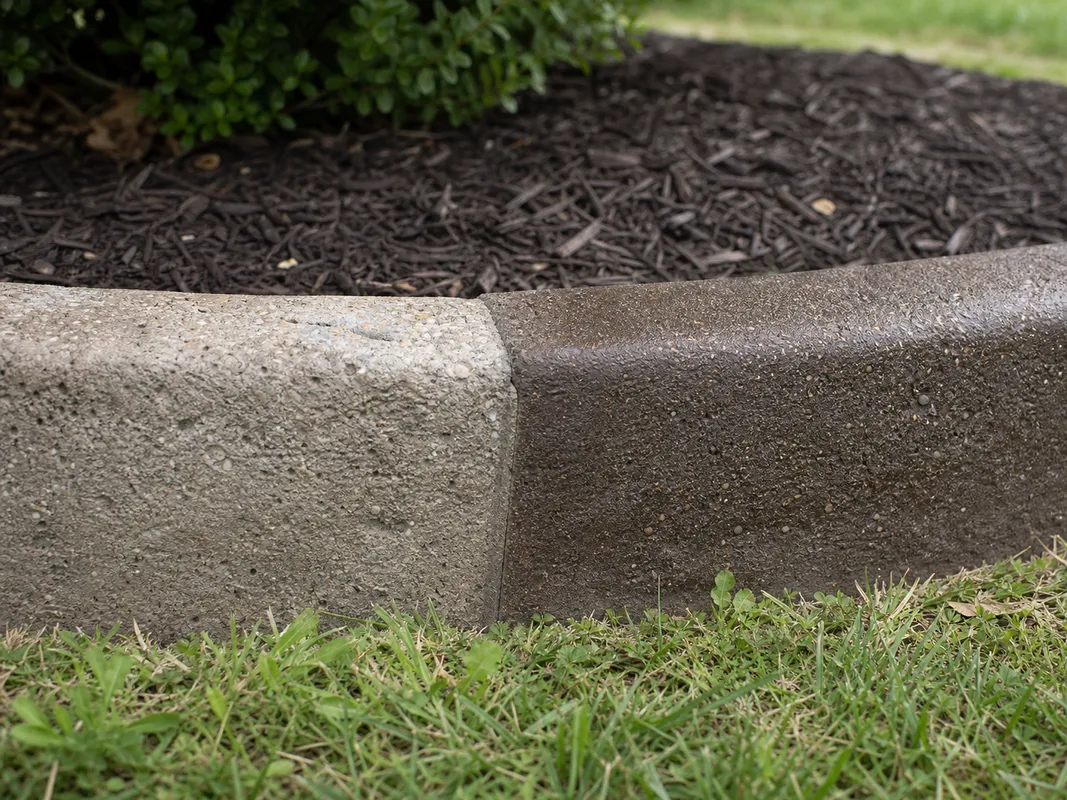
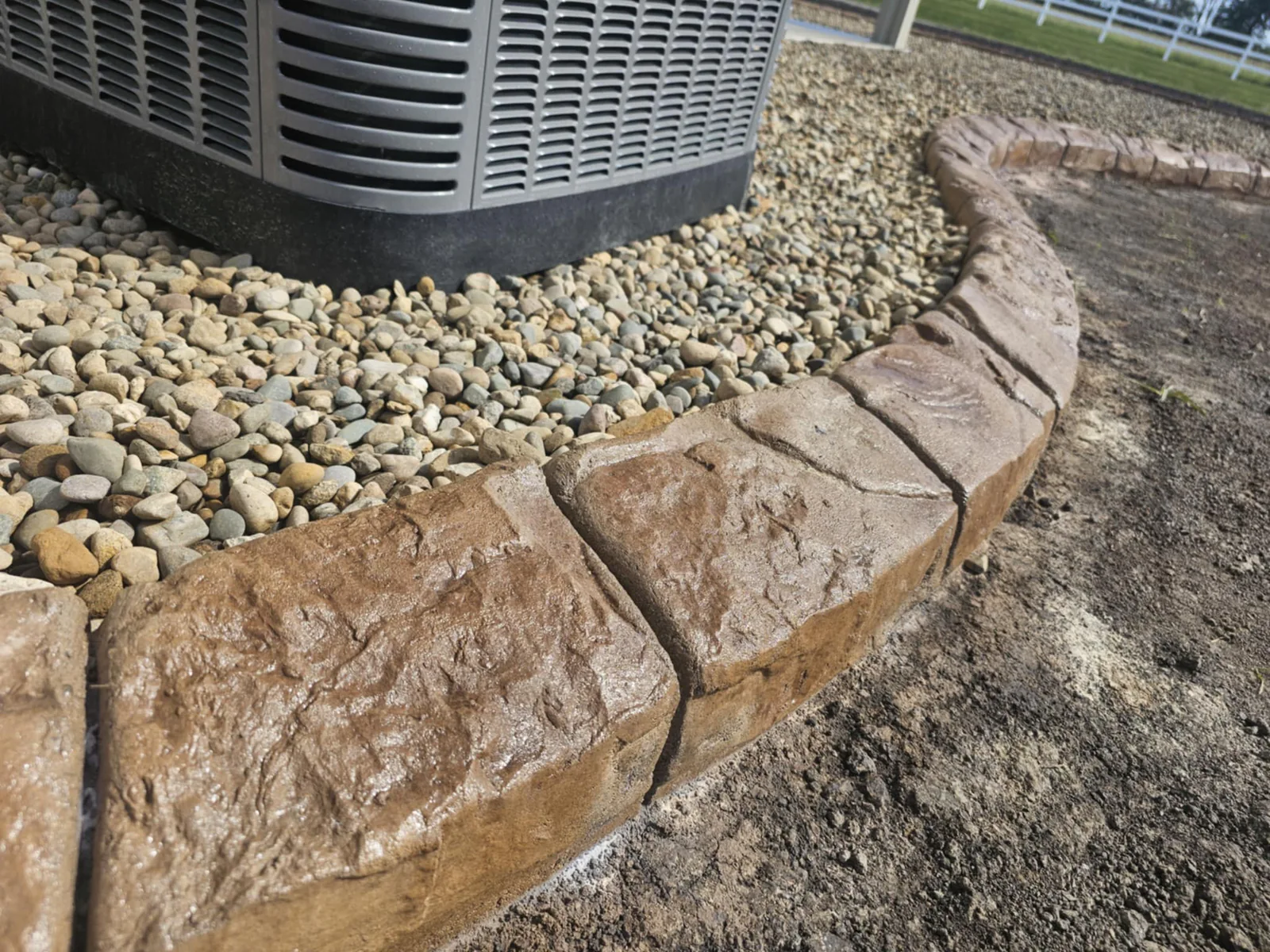
Concrete curb resealing is maintenance for an existing decorative concrete border. A fresh sealer can help renew the surface appearance and provide a protective layer against everyday weather and landscape exposure. It is not a replacement for damaged concrete, and the right recommendation depends on the curb's current condition.
SOS recommends evaluating resealing about every two to three years. The exact timing can vary with sun exposure, moisture, traffic near the border, lawn treatments, and the condition of the existing finish. A site review should come before any paid maintenance work.
The curb is inspected for surface wear, loose material, staining, cracking, or other conditions that may affect the result. Any required preparation should be explained before work is scheduled.
Available Service Details
Available choices
A visual review determines whether resealing is appropriate or whether another repair conversation is needed.
The preparation required before sealer application depends on the curb's condition and the confirmed SOS process.
April through December is the confirmed service season. The best appointment window still depends on temperature, rain, surface dryness, and the condition of the curb.
Ian Johnson can review the existing curb and explain whether resealing makes sense before a customer commits to paid work. The estimate covers service scope, pricing, preparation, and future maintenance recommendations.
Request A Fast QuoteWhere It Helps
Resealing is a maintenance conversation for existing decorative concrete curbing around residential and commercial landscapes.
Common uses
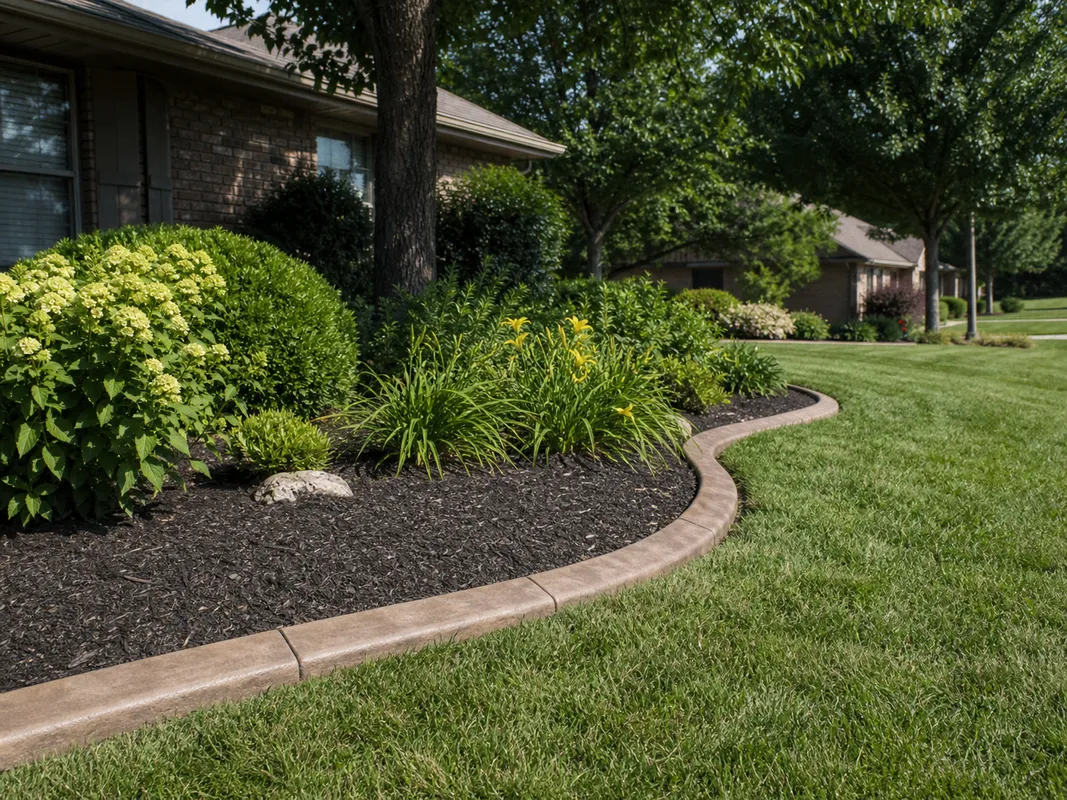
Curbs around front beds, side yards, and backyard planting areas face routine exposure to rain, sunlight, mulch, soil, and lawn care. A condition review can determine whether resealing will help maintain the existing border's appearance.
Learn more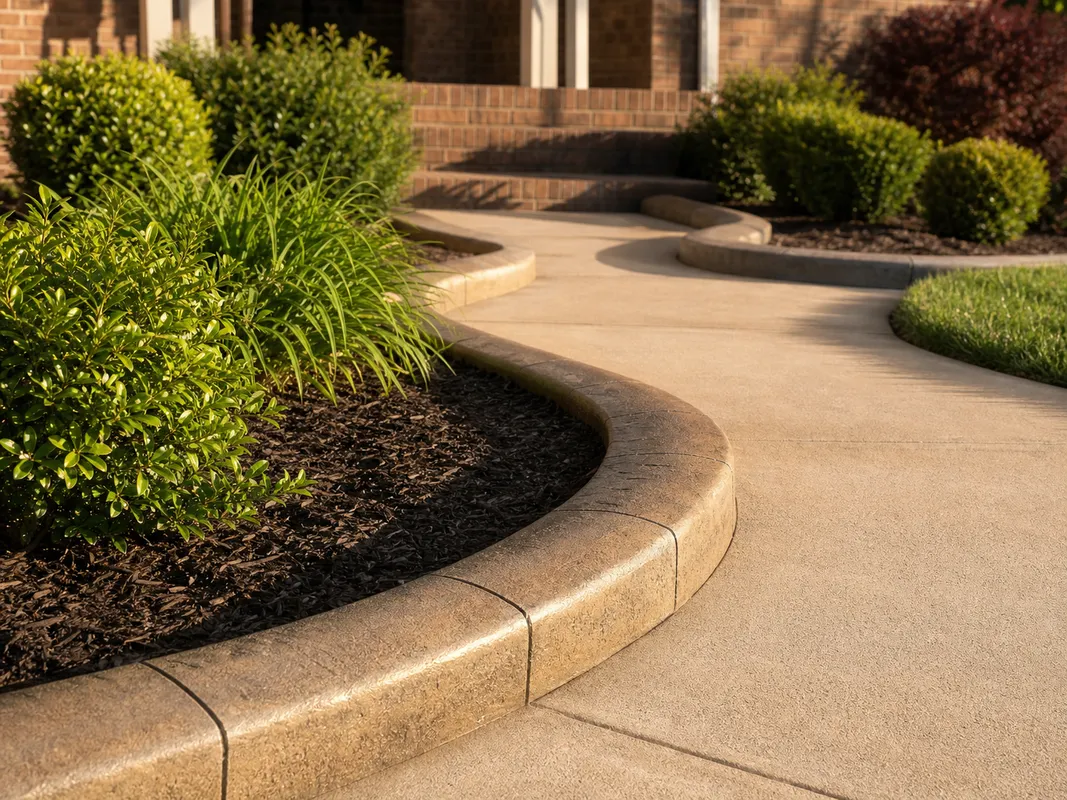
Curbing near walkways and entries is seen up close and can collect splash, dirt, and organic material. Any resealing recommendation should account for the existing surface and nearby foot traffic.
Learn moreCompare your options
A maintenance review prevents customers from paying for the wrong solution. Resealing may fit a sound existing curb, while damaged or unsuitable curbing requires a different recommendation.
The simple routine
Protect the finished work, keep the surrounding area clear, and address changes early.
Long-Term Care
Resealing is itself a maintenance step, not a guarantee that a curb will never need cleaning, inspection, repair, or replacement. The simplest plan is to watch the surface and reassess it on a regular cycle.
SOS recommends resealing every two to three years. That is a recommendation, not a confirmed warranty interval. Actual timing should reflect exposure, wear, and the condition of the installed finish.
Avoid allowing lawn treatments, fertilizers, or other chemicals to sit on the concrete. Follow Stryker's care guidance before applying treatments near a resealed curb.
Peeling, cracking, chips, movement, drainage problems, or exposed damage may require more than a new sealer coat. Report those conditions during the maintenance review rather than covering them with an unconfirmed product.
The SOS Difference
Resealing only makes sense when the contractor understands the curb underneath the finish. SOS's core work is decorative concrete curbing, so the maintenance conversation starts with the installed border—not a generic coating package.
Stryker Outdoor Solutions focuses its brand around decorative concrete curbing, landscape edging, and custom borders for homes and businesses. That focus gives the discussion a practical starting point: the profile, color variation, reinforcement, and exposure of the existing curb.
SOS curbs use stainless-steel cable throughout. Resealing does not replace that reinforcement or correct structural problems, which is why the curb's condition should be reviewed before maintenance is approved.
Ian Johnson is the owner of Stryker Outdoor Solutions. Customers can bring questions about their existing curb, recommended timing, and the still-to-be-confirmed resealing process directly to the business.
SOS provides these services from April through December. Appointment timing depends on weather, surface conditions, project preparation, and current scheduling availability.
Common Questions
SOS recommends reviewing resealing about every two to three years. That timing is a maintenance recommendation, not a confirmed guarantee. Sun, rain, moisture, lawn chemicals, traffic, and the existing finish can change the right schedule for a particular curb. A site review should determine whether resealing is appropriate.
Not automatically. Resealing maintains a suitable existing surface; it does not repair structural damage. SOS reviews cracks, chips, movement, staining, and other damage first, then recommends the appropriate maintenance, repair, or replacement path.
Send SOS a few details about the existing border and the maintenance problem you are seeing. Ian Johnson can review the curb's condition, explain the recommended service, and provide a straightforward next step.
Tell us what you are seeing, where the curb is located, and how long it has been since the last maintenance review.
10+ years in the concrete curbing trade
Veteran-owned Southern Indiana business
Owner: Ian Johnson