
Low-Profile Curbing
A lower 3-inch profile for homeowners who want a defined border without a taller visual wall.
- 3-inch low mould
Concrete Curbing
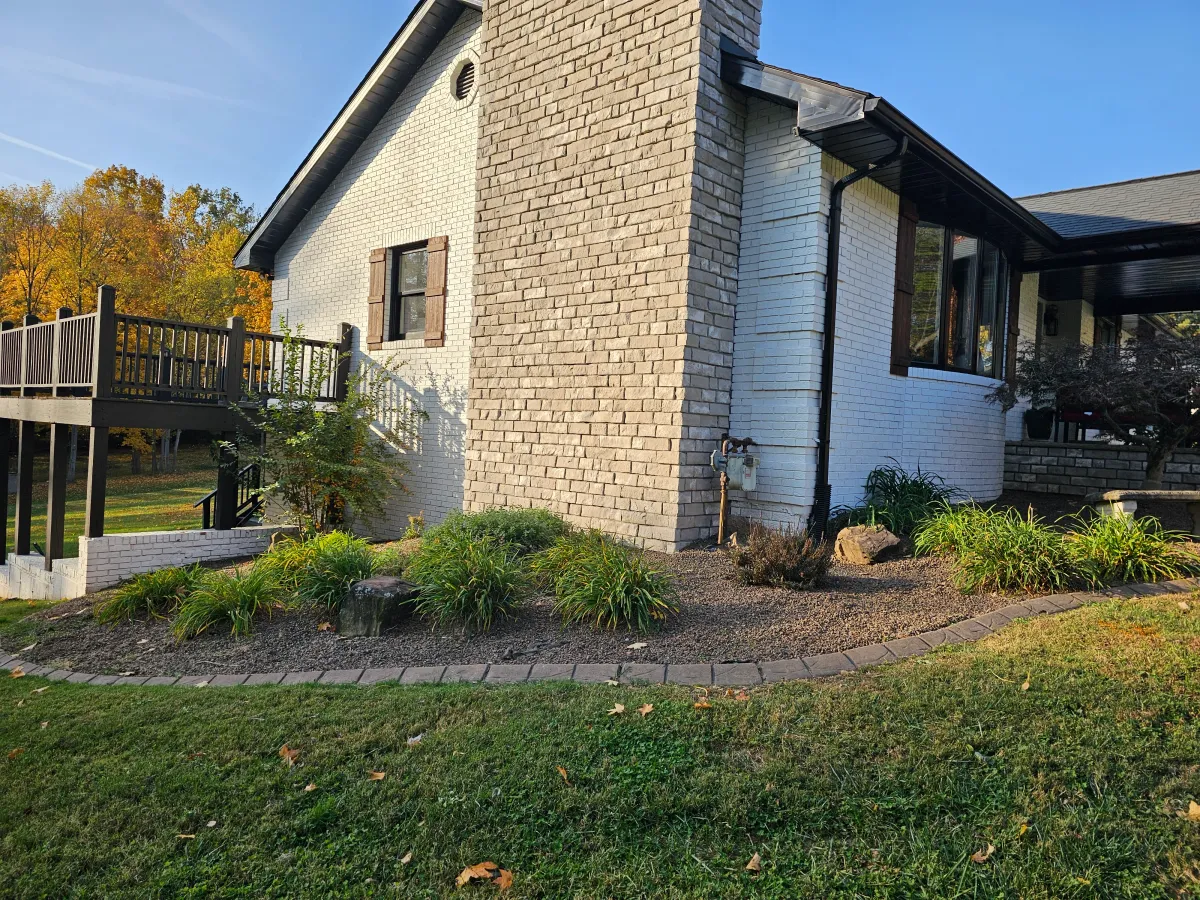
Plastic edging bends, lifts, and disappears into the grass. Stryker Outdoor Solutions installs reinforced concrete curbing that gives planting beds a fixed edge, a cleaner mowing line, and a finished look. Ian Johnson leads a veteran-owned company with 10+ years in the trade across Southern Indiana.
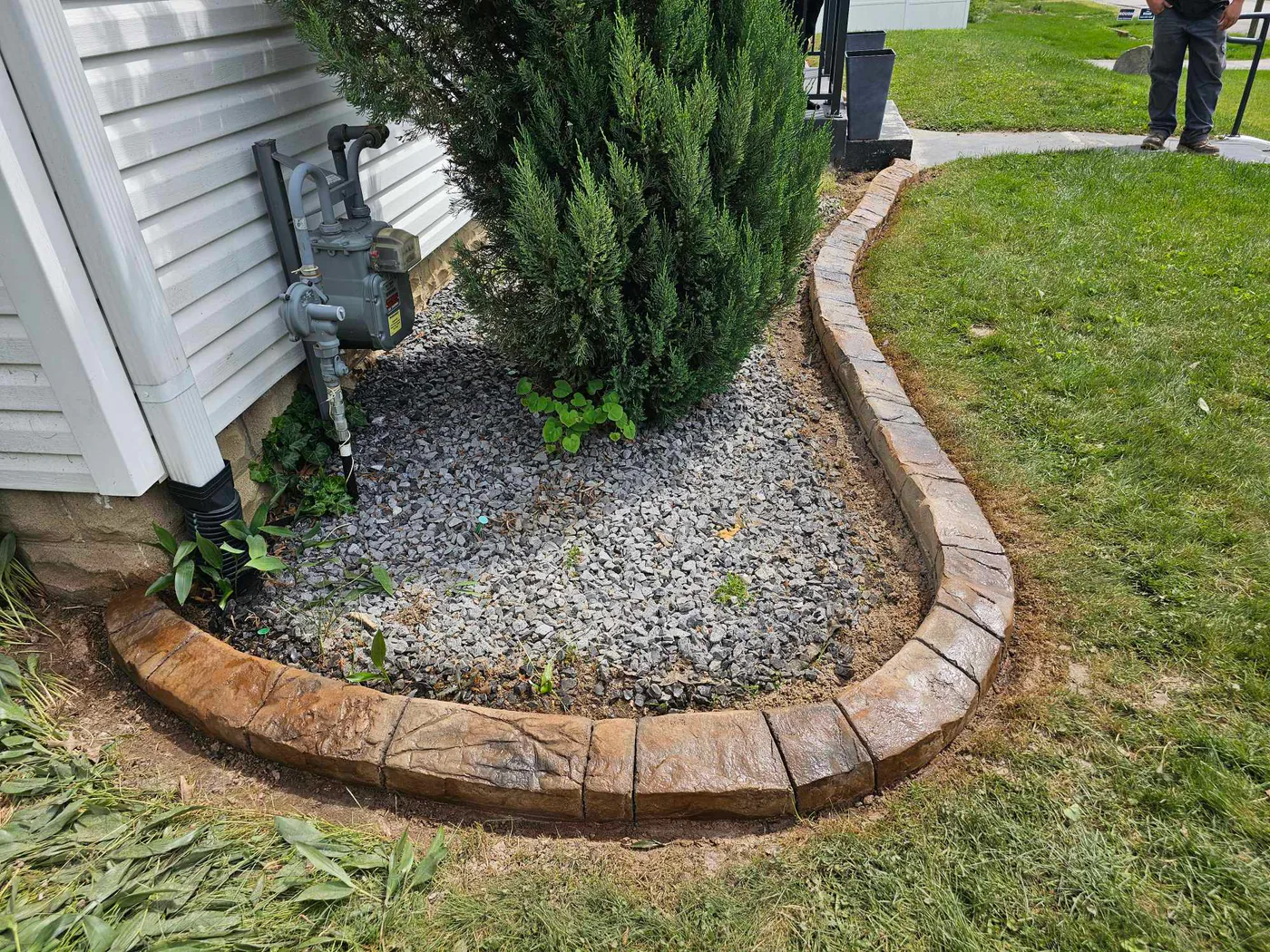
The Installation
Concrete curbing is a continuous concrete border installed beside lawn, mulch, planting beds, walkways, or other landscape areas. Instead of separate bricks or flexible plastic strips, the curb creates one defined edge that helps hold the landscape line in place and gives mowing equipment a cleaner boundary.
Stryker offers a 3-inch low mould and a 5-inch HD mould. The HD mould is suggested for premium and natural-stone detail because its taller profile gives those designs more room to read. A stainless-steel cable runs through the curb to help resist heaving and shifting.
Available Profiles and Styles
Choose the profile and style category that fit your property. Stryker reviews current color, pattern, and stamp samples during the estimate so the final selection complements the landscape.
Start here
A lower 3-inch profile for homeowners who want a defined border without a taller visual wall.
The 5-inch HD mould is suggested when the design calls for premium or natural-stone detail.
Make it yours
Compare the available style categories, then select the profile and finish that best suit the property.
Curves, straight runs, corners, and additions can be planned around the existing landscape.
Pattern Gallery
Compare six decorative patterns available for concrete landscape borders, then confirm current stamp and color combinations during your estimate.
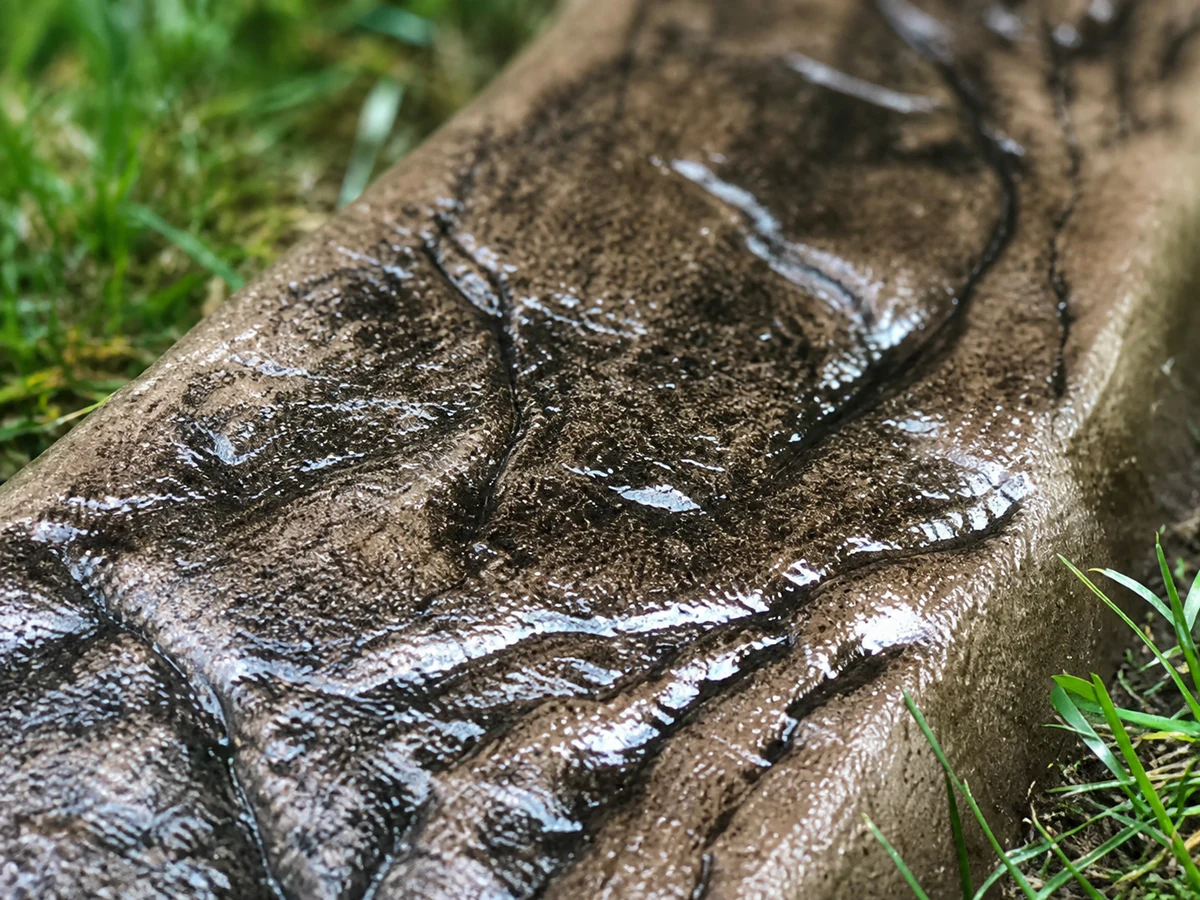
A layered tile-inspired texture with organic movement and a handcrafted finish.
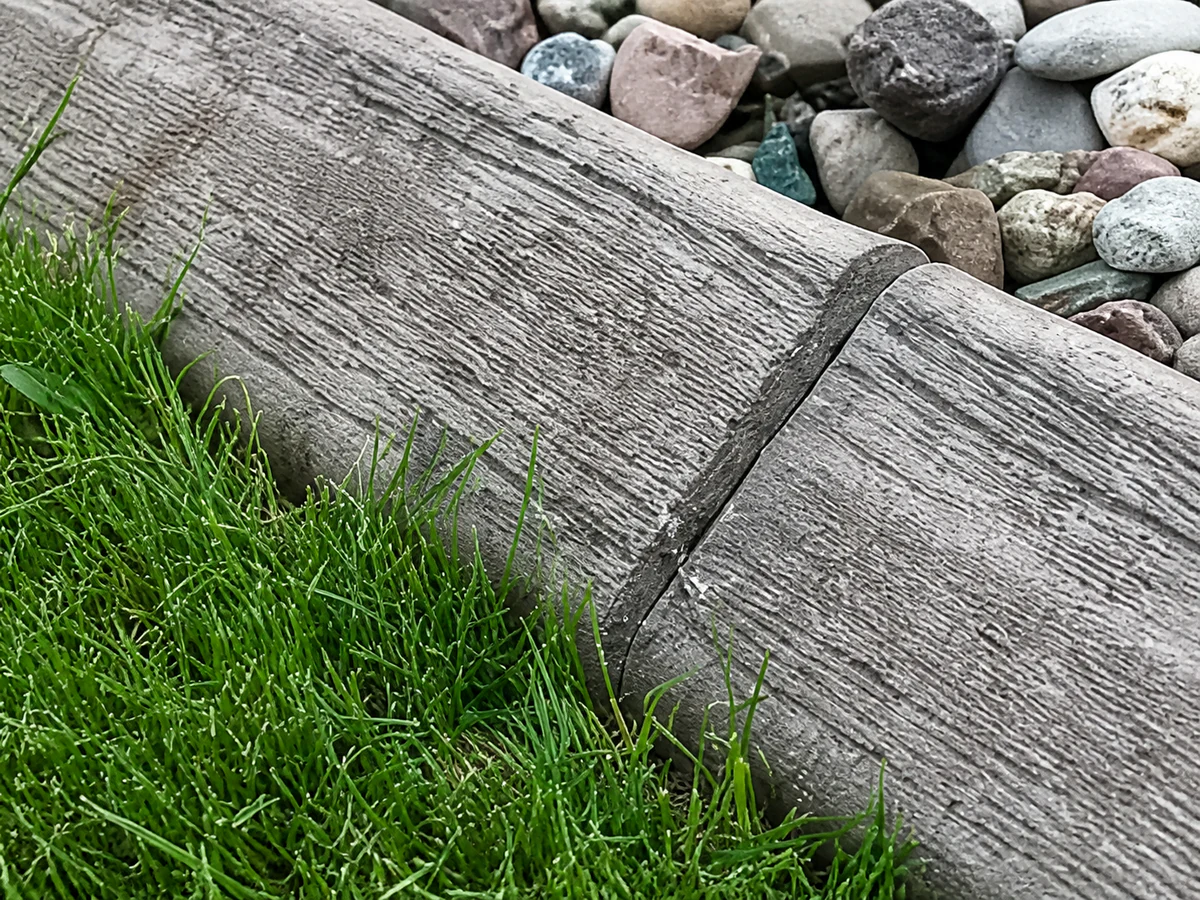
A linear timber-style texture that brings a warm, natural look to the curb.
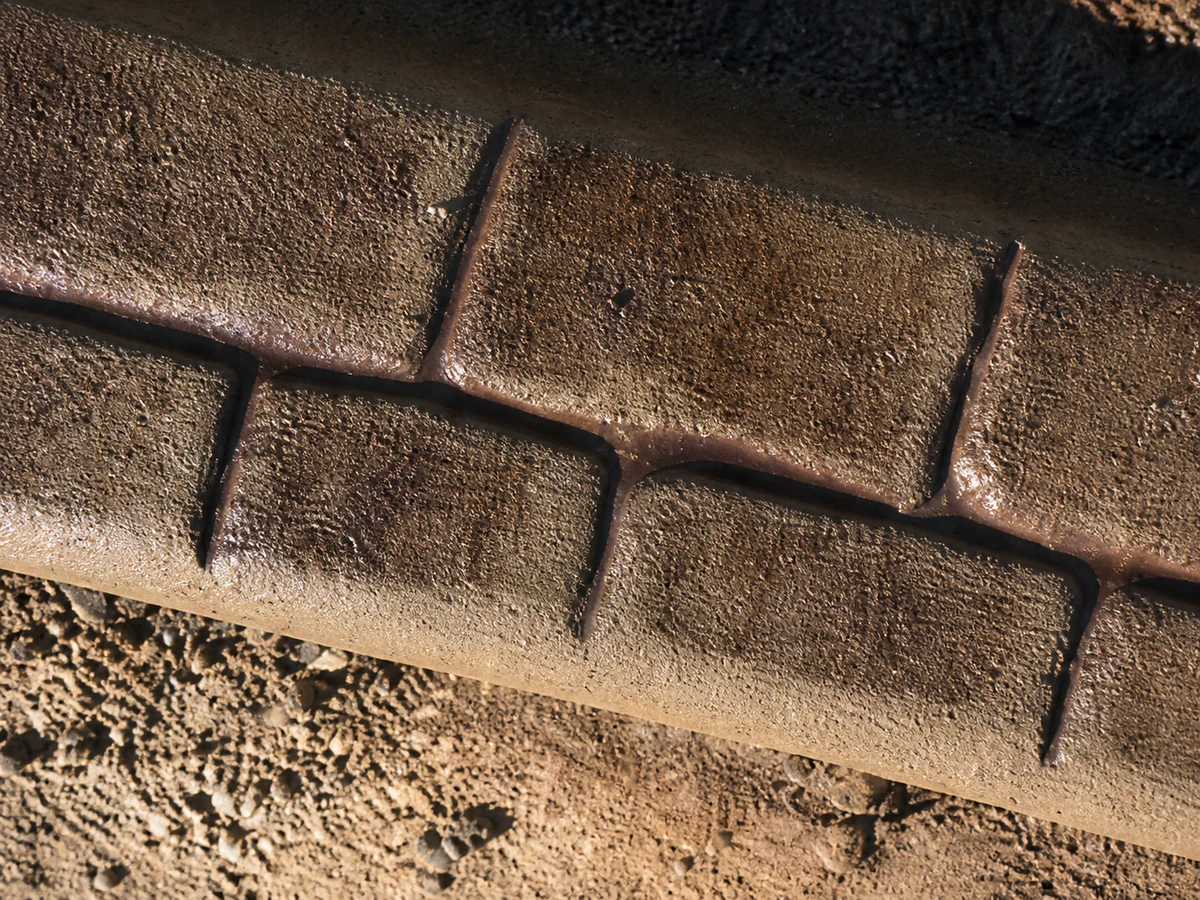
A compact block pattern that creates the appearance of traditional cobbled masonry.
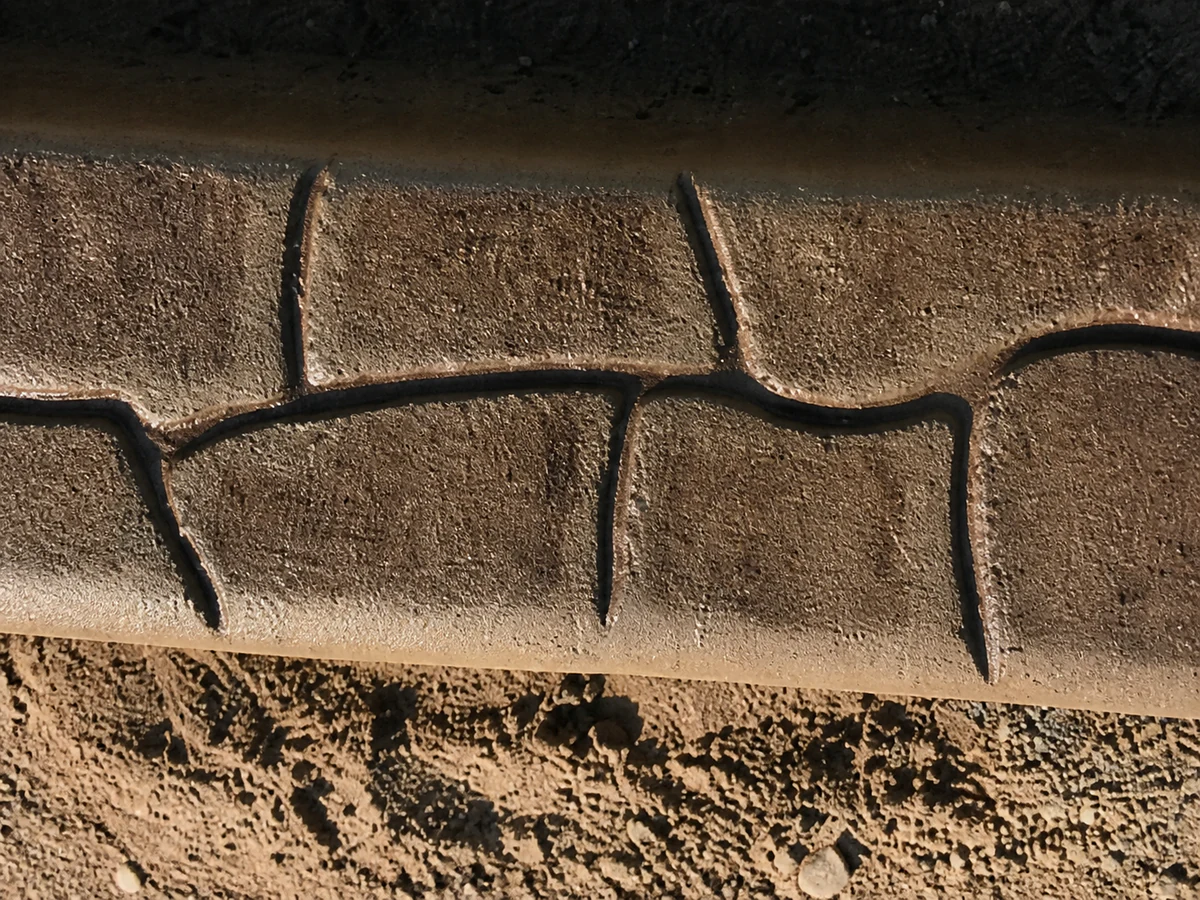
An irregular stone layout with wider joints and a classic outdoor hardscape feel.
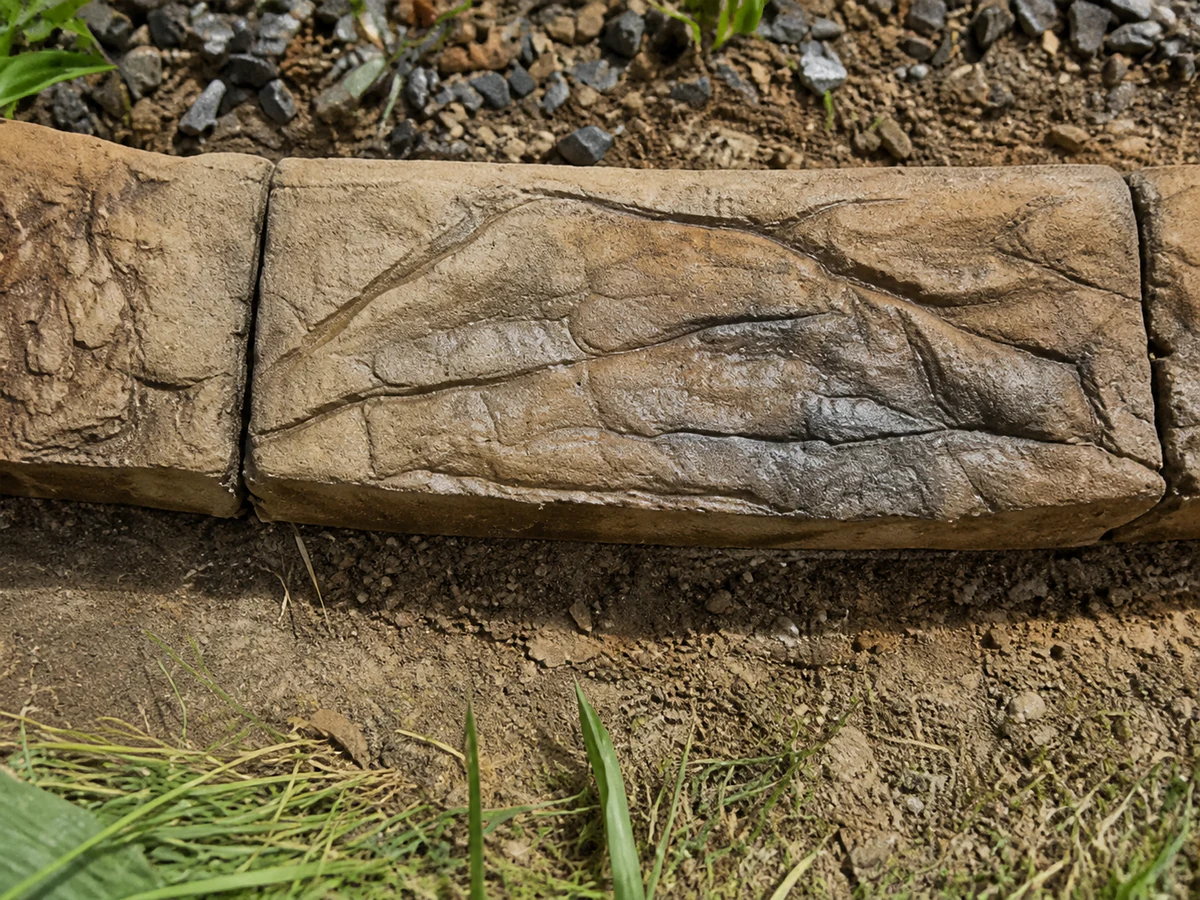
A broad natural-rock texture with subtle variation across each finished section.
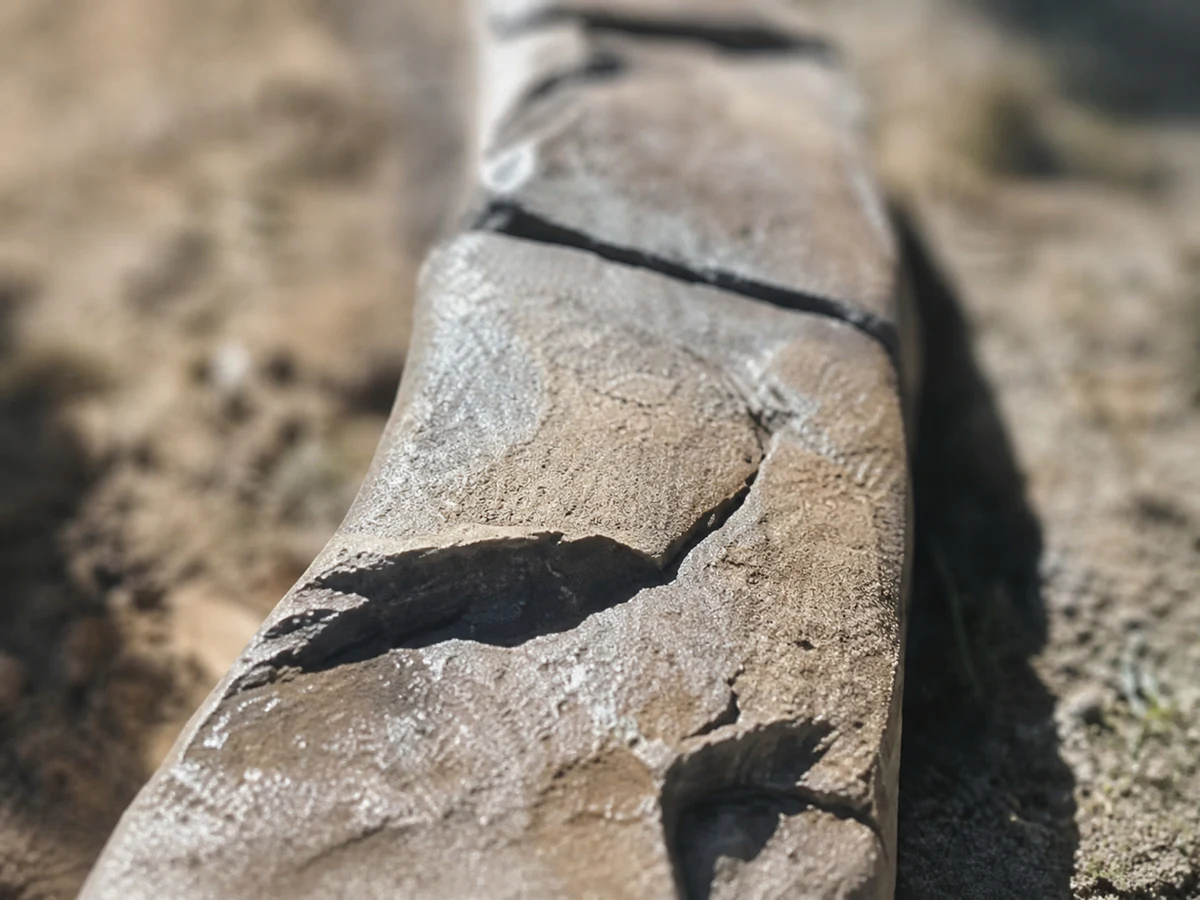
A rugged split-stone finish that emphasizes depth, texture, and natural variation.
Color Variation
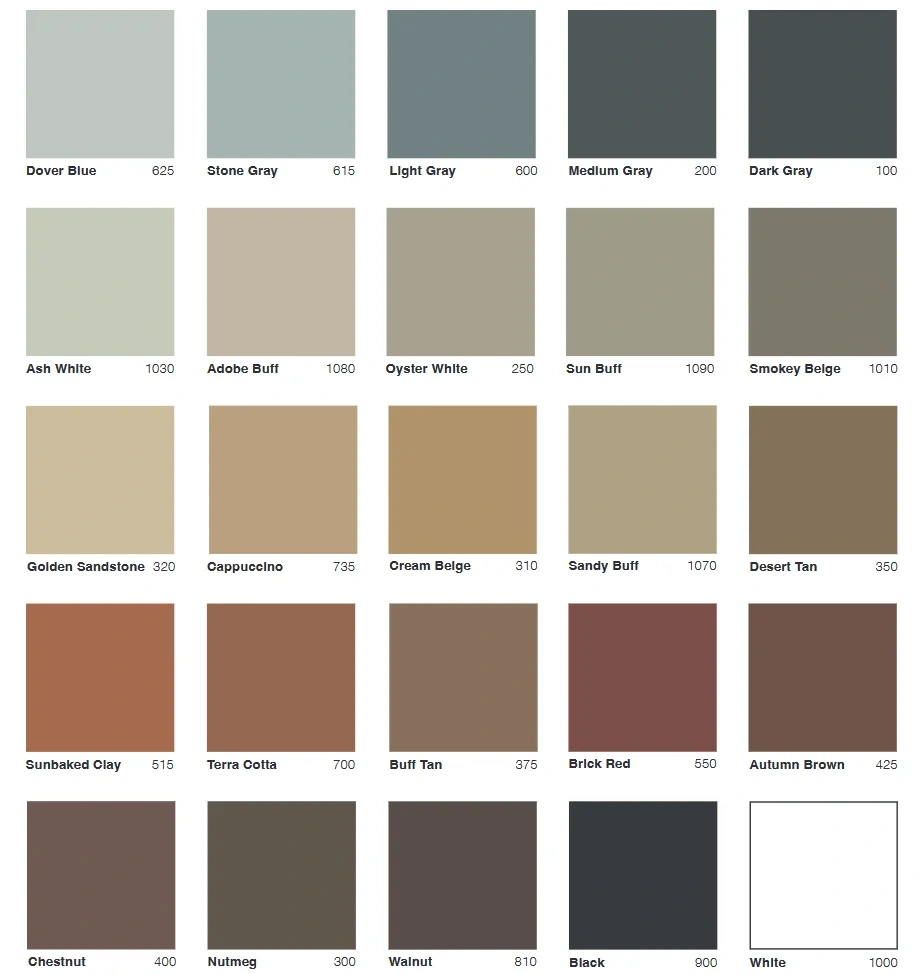
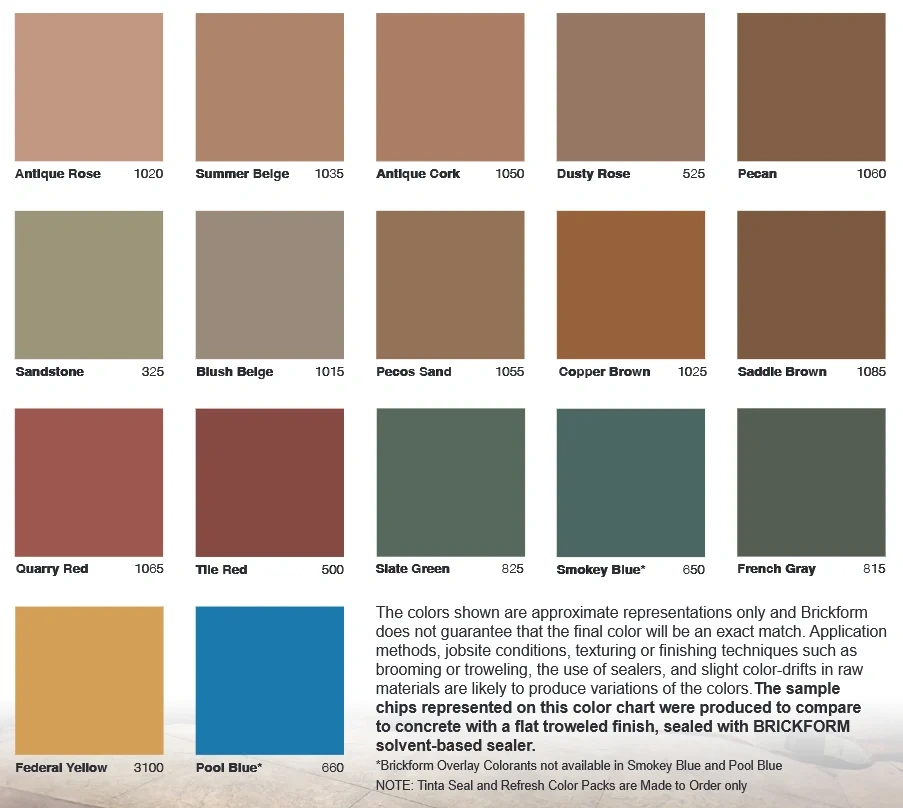
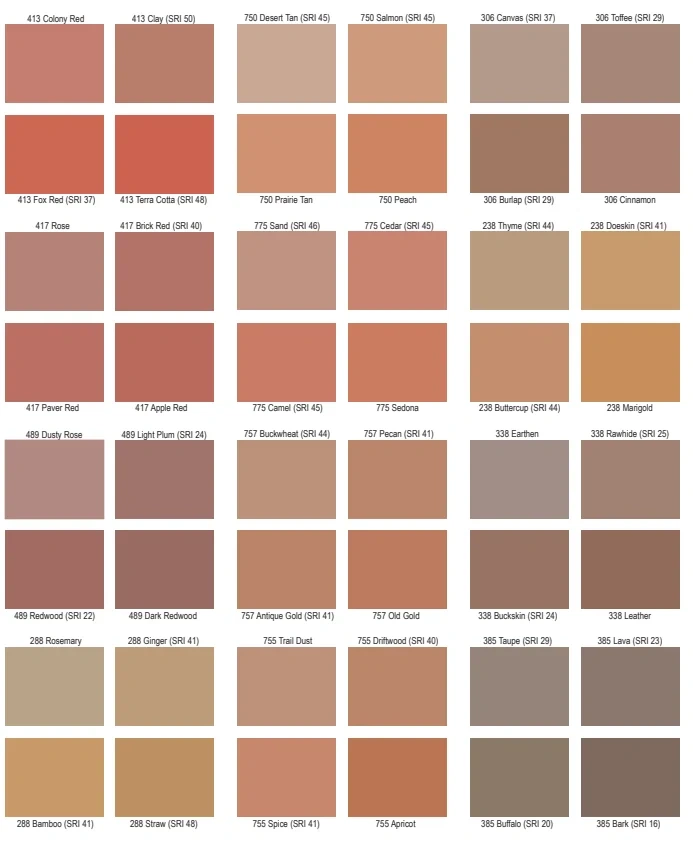
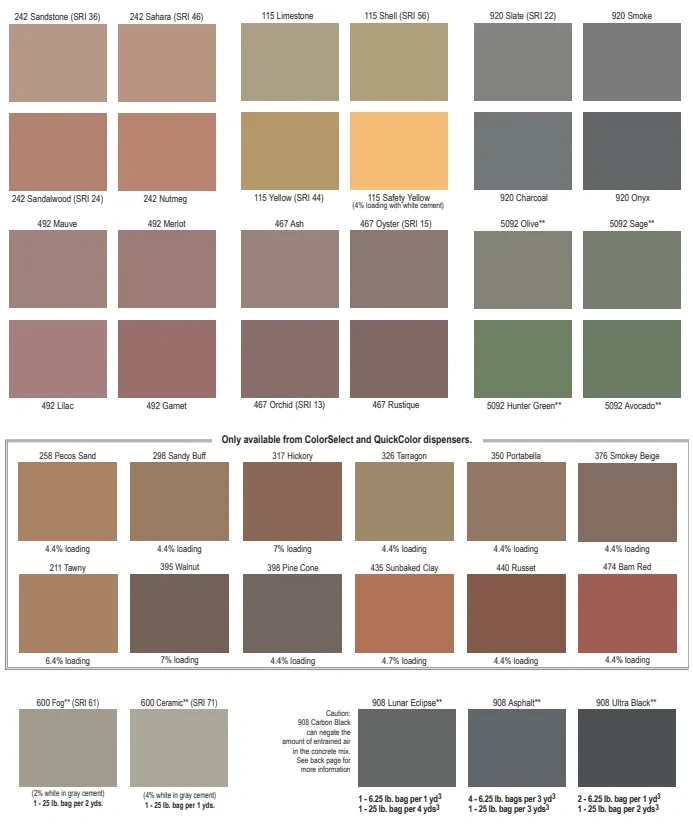
Explore the available color families for your concrete border. Select any chart to inspect it at full resolution, then confirm your preferred color with current samples during your estimate.
A quick-reference palette of popular neutrals, warm earth tones, reds, grays, and classic black or white.
Additional Brickform color choices ranging from subtle beige and brown tones to red, green, gray, yellow, and blue.
An expanded range of reds, terracottas, sands, browns, taupes, and natural earth colors.
Cool grays, charcoal, black, muted greens, soft neutrals, and specialty color selections.
Where It Works
Continuous curbing works best where a landscape needs a fixed, visible line between two surfaces.
Common uses
Curbing defines the outside edge of a planting bed and helps keep mulch or soil from spreading into the lawn. Curved and straight layouts can follow the bed that is already there or create a new boundary.
Popular options: 3-inch low mould; custom color variation
Learn more: Landscape EdgingA continuous border gives mowing and trimming a clear stopping point. It also replaces a flexible edge that can become hard to follow as grass grows or the landscape shifts.
Popular options: 3-inch low mould; straight border layout
Learn more: Landscape EdgingFor homeowners who want the border to contribute to the design, premium, natural-stone, and farmhouse brick categories provide distinct directions without switching to separate masonry pieces.
Popular options: premium / natural-stone; farmhouse brick
Learn more: Decorative Concrete BordersCompare your options
Concrete curbing trades a higher starting project price for a continuous, custom-planned border. The right choice depends on the property, the desired finish, and whether the homeowner wants a fixed landscape edge that can be resealed on a 2–3-year cycle.
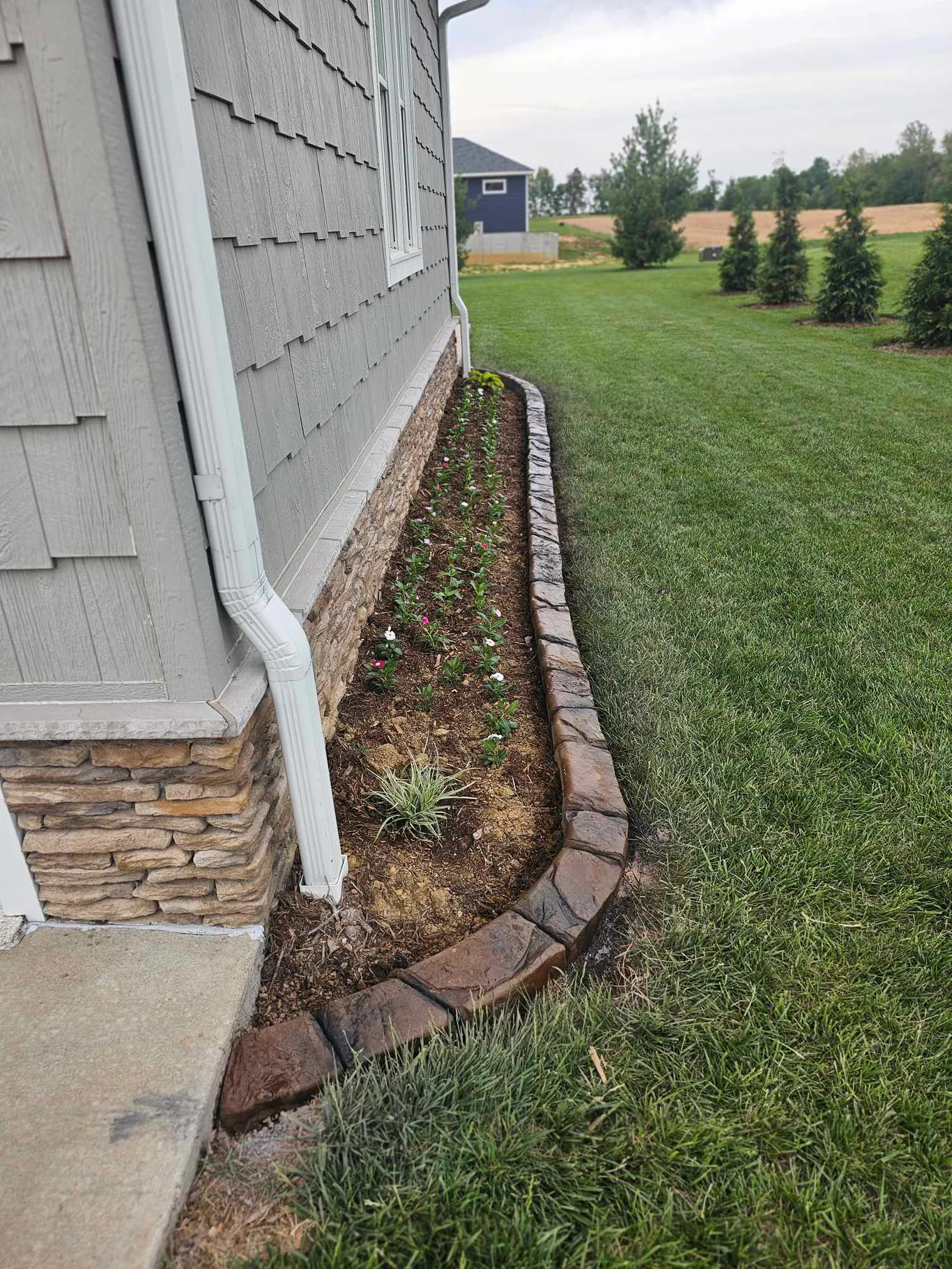
The simple routine
Protect the finished work, keep the surrounding area clear, and address changes early.
Long-Term Care
Concrete curbing is straightforward to care for: keep the edge clear, watch for changes, and plan to reseal it every 2–3 years.
Stryker recommends resealing the curb every two to three years to protect the finished appearance. Follow the preparation and product guidance provided for the installed finish.
Keep grass, mulch, soil, and debris from covering the curb line. A visible edge makes it easier to spot movement, damage, or a place where the landscape needs to be adjusted.
If the landscape grows later, additions can be phased because Stryker retains the color combinations used on the project. Existing curb extensions are connected at a control joint with drilled connection points and fiberglass rebar.
If a section appears to heave, shift, or separate, photograph it and contact Stryker. A site assessment identifies the likely cause and the appropriate next step.
The Stryker Difference
Curbing has to follow the landscape, hold its line, and look intentional from the street. Small profile, color, and connection decisions affect the finished result.
Stryker Outdoor Solutions brings 10+ years in the trade to concrete curbing, landscape edging, and decorative borders. Ian Johnson is the owner and point of contact for the Washington, Indiana company.
A stainless-steel cable runs through the curb to help resist heaving and shifting. That detail matters in a landscape border because a moving edge can affect both mowing and appearance.
The 3-inch low mould and 5-inch HD mould create a clear starting point for discussing profile. The HD mould is suggested for premium and natural-stone detail, while the lower mould keeps the border more restrained.
Curves, straight runs, corners, and future additions can be discussed as one plan. If the project is phased, retained color combinations make it possible to add sections later without starting the design conversation over.
Common Questions
The low mould is 3 inches tall, and the HD mould is 5 inches tall. The HD mould is suggested for premium and natural-stone detail. Stryker reviews current profile options during the estimate.
The HD mould is taller, measuring 5 inches compared with the 3-inch low mould. Stryker suggests it for premium and natural-stone detail because the added profile gives those finishes more room to show.
The curb includes stainless-steel cable running through it to help resist heaving and shifting. The site review also accounts for visible drainage, soil movement, landscape changes, roots, and other property conditions that affect concrete work.
Depending on the length of the curb, installation can take as little as a few hours or as long as one full day. The estimate should account for the total run, curves, corners, access, and the selected profile.
Yes. Stryker can retain the color combinations used for the project, which allows additions to be planned later. When extending an existing curb, Stryker cuts at a control joint, drills into the old curb, and uses fiberglass rebar to connect the sections.
Stryker recommends resealing every two to three years. Follow the product, preparation, and application guidance provided for the installed finish.
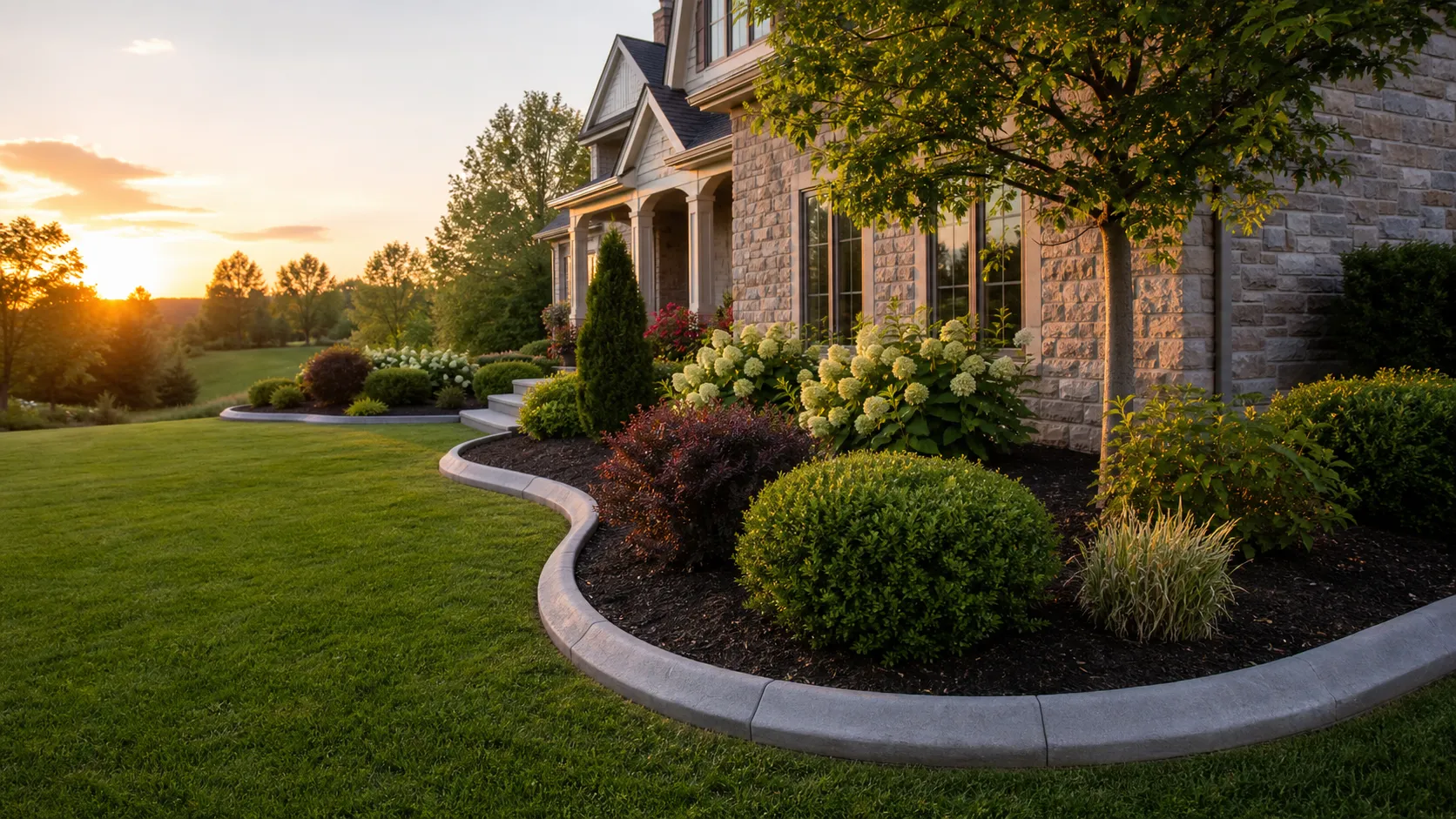
Tell Stryker what you want the border to do, where it needs to run, and which style category interests you. The next step is a straightforward conversation about the property, profile, color direction, and estimate.
Send the project details through the contact form and Stryker will review the scope with you.
10+ years in the trade
Veteran-owned business